12th Edition of World Nanotechnology Conference

Diagnostics
Nanotechnology is a rapidly growing field of science, engineering, and technology that involves the manipulation of matter on an atomic and molecular scale. It has enabled new advances in diagnostics, allowing for the detection of disease at earlier stages with greater accuracy than ever before. Diagnostics in nanotechnology involves the use of Nanobiotechnology and nanoprobes to detect and analyze biological molecules, cells, and tissues. Nanoprobes can be used to detect and measure biomarkers, which are molecules associated with diseases, allowing for early diagnosis. Additionally, Nanobiotechnology such as nanotubes and carbon nanotubes can be used to create highly sensitive sensors that can detect small molecules in the body associated with diseases. Nanoparticles can also be used for targeted drug delivery, providing more precise and effective treatments for diseases. In addition to diagnostics, nanotechnology is also being used to create new therapeutic treatments. Nanobiotechnology can be used to create drug delivery systems that can target specific cells and tissues, allowing for more targeted treatments with fewer side effects. Nanoparticles can also be used to control the release of drugs in the body, providing more effective treatments. Nanotechnology is also enabling new advances in imaging, allowing for higher resolution images with greater detail than ever before. Nanotechnology is revolutionizing the field of diagnostics and therapeutics, providing more accurate and effective treatments for a wide range of diseases. As research and development continue, nanotechnology will continue to have a major impact on the healthcare industry.

Alexander G Ramm
Kansas State University, United States
Thomas J Webster
Brown University, United States
Ramesh Agarwal
McKelvey School of Engineering, Washington University in St. Louis, United States
S V A R Sastry
Harcourt Butler Technical University, India
Dharmendra Kumar
Swami Vivekanand Subharti University, India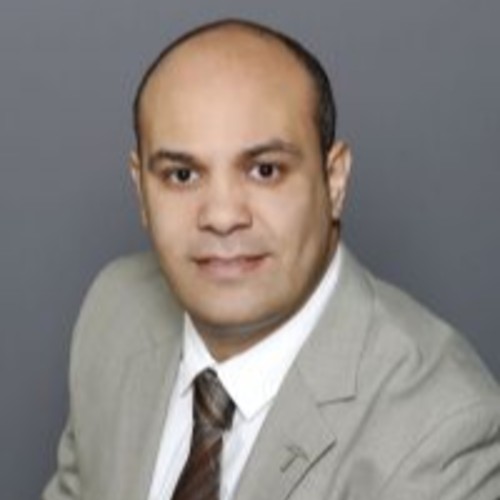
Ahmed A. El-Gendy
University of Texas at EL Paso, United States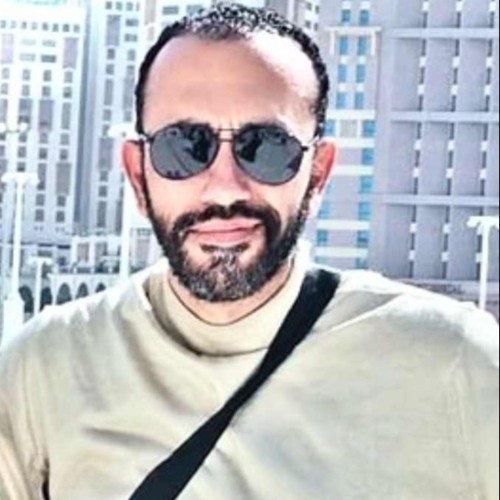

Title : Fighting antibiotic resistance: Eliminating implant infections in humans without antibiotics
Thomas J Webster, Brown University, United States
Title : Fluorescent nanomaterials for bioapplications
Julia Xiaojun Zhao, University of North Dakota, United States