12th Edition of World Nanotechnology Conference

Macrocyclic and Supramolecular Chemistry
Macrocyclic and supramolecular chemistry stand at the forefront of scientific exploration, seamlessly intertwining with the dynamic realm of nanotechnology. These fields delve into the intricate dance of molecules on a grand scale, fostering a profound understanding of molecular assemblies and their applications, particularly in the nano-sized domain. In the realm of macromolecules, a subset known as macrocycles takes center stage. These are large, cyclic structures with cavities that can selectively encapsulate smaller molecules, akin to a molecular host welcoming guests into a tailored environment. This unique property holds immense promise for nanotechnology applications, where precision and control at the molecular level are paramount. Supramolecular chemistry, on the other hand, goes beyond the confines of individual molecules to explore the synergistic interactions between multiple molecular entities. The resultant supramolecular structures are like molecular architectures, meticulously designed to exhibit properties not inherent in the individual components. As nanotechnology advances, the ability to engineer and manipulate these structures becomes a cornerstone for designing novel materials and devices at the nanoscale. Nanotechnology enthusiasts find themselves drawn to the intersection of these disciplines. The controlled manipulation of macrocycles and supramolecular assemblies opens up avenues for constructing nanoscale machines, sensors, and delivery systems.
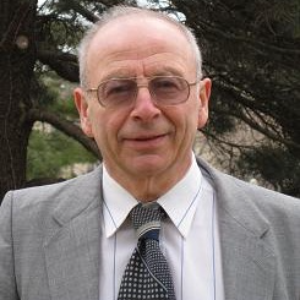
Alexander G Ramm
Kansas State University, United States
Thomas J Webster
Brown University, United States
Ramesh Agarwal
McKelvey School of Engineering, Washington University in St. Louis, United States
S V A R Sastry
Harcourt Butler Technical University, India
Dharmendra Kumar
Swami Vivekanand Subharti University, India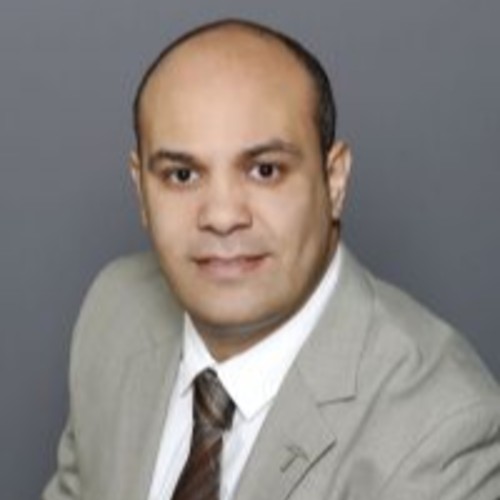
Ahmed A. El-Gendy
University of Texas at EL Paso, United States

Title : Fighting antibiotic resistance: Eliminating implant infections in humans without antibiotics
Thomas J Webster, Brown University, United States
Title : Fluorescent nanomaterials for bioapplications
Julia Xiaojun Zhao, University of North Dakota, United States